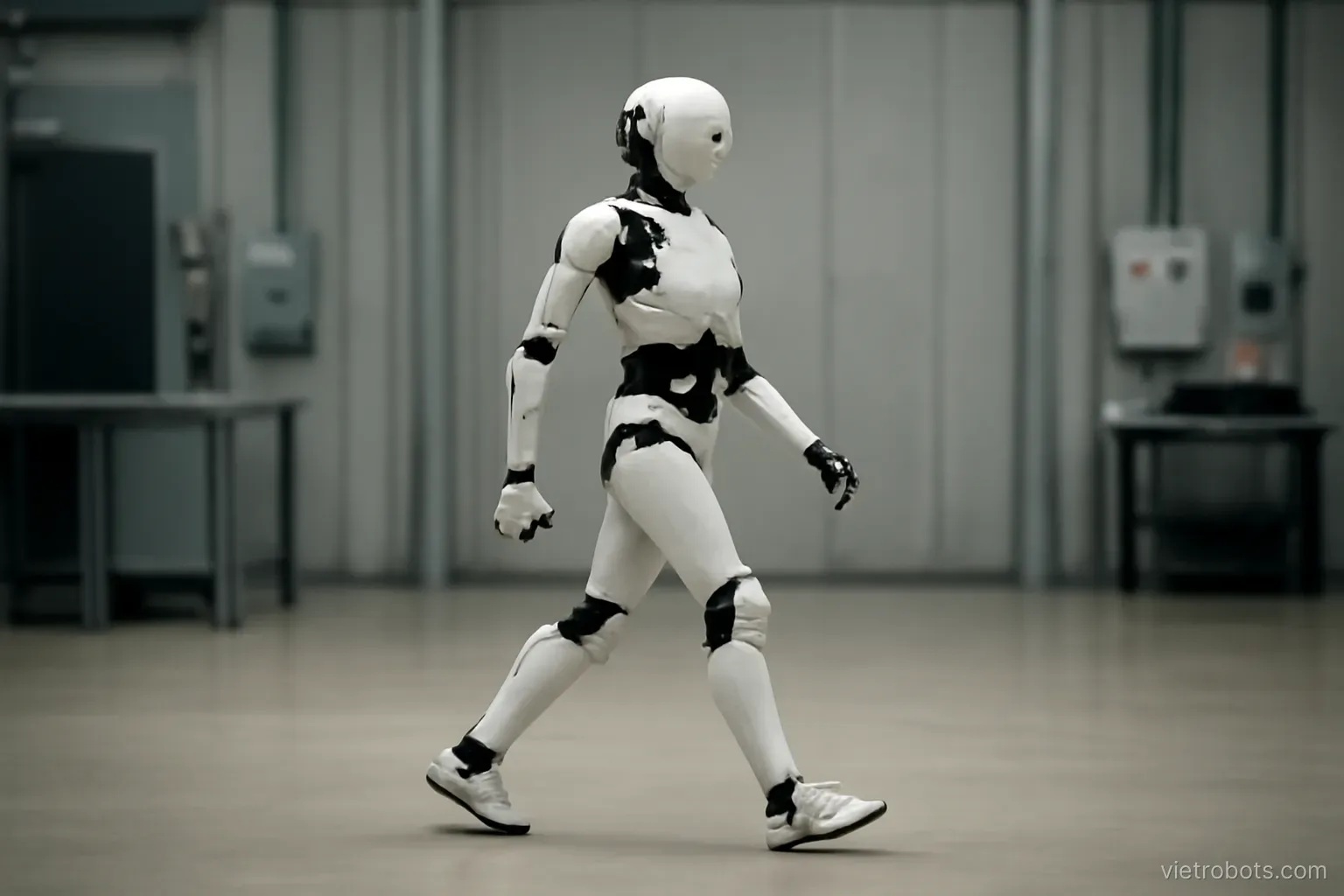
Humanoid robot videos circulate widely and are genuinely impressive. Reading them accurately requires separating three things: what has been demonstrated once, what has been demonstrated repeatedly, and what is running in a deployment somewhere.
Walking and balance
The area with the most visible progress.
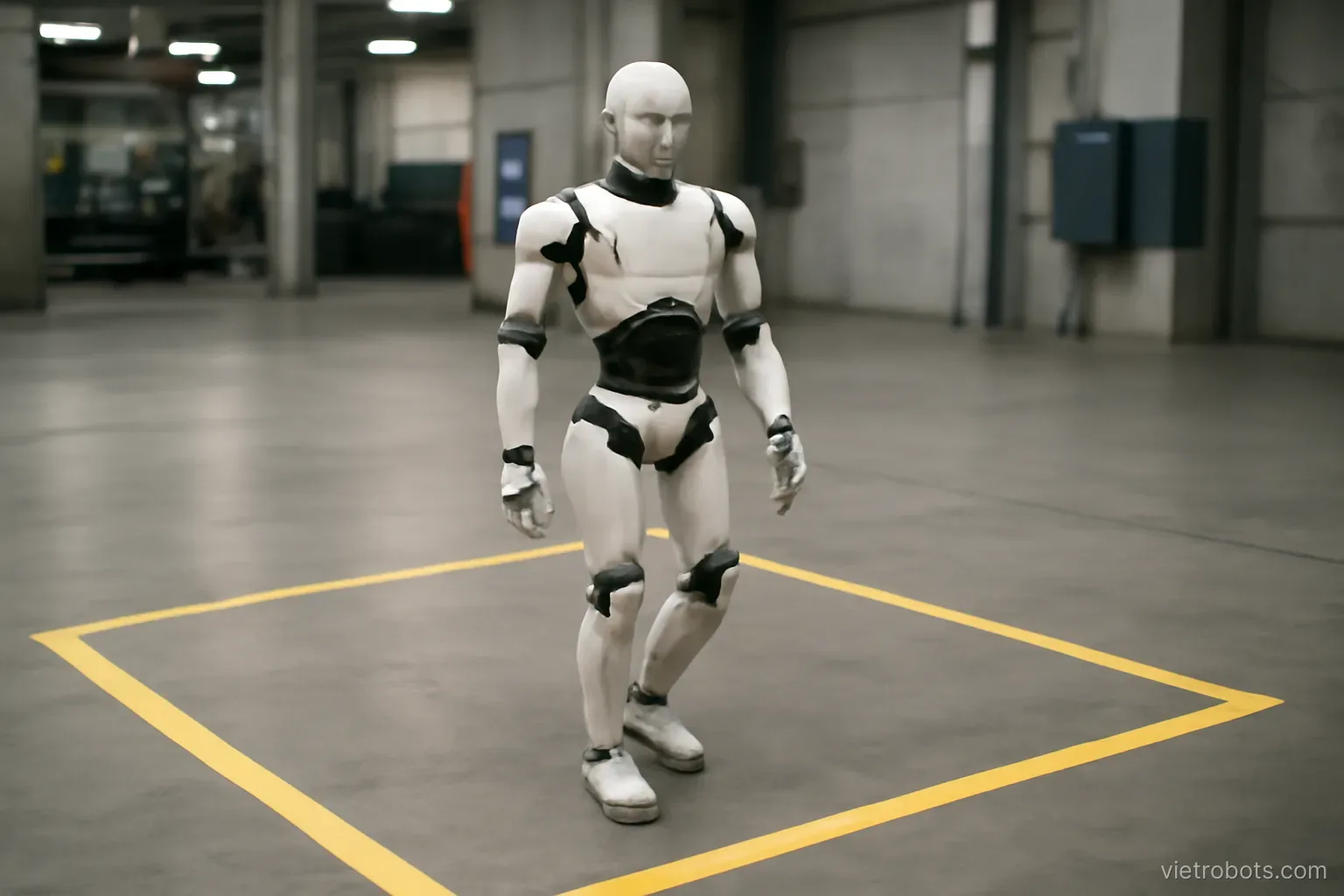
Solidly demonstrated. Walking on flat and moderately uneven ground. Recovering from a push. Climbing stairs. Getting up after a fall. These have been shown repeatedly by multiple groups and are no longer research questions.
Still difficult. Walking for hours rather than minutes. Carrying a variable load while walking. Slippery, loose or steep surfaces. Moving through a crowd. Walking while doing something else with the hands.
The energy problem. A legged robot spends energy simply standing, and far more walking. This is the main reason operating times are measured in hours at most, and it is a physical constraint rather than a software one.
How to read a walking demonstration. Ask about duration and surface. Impressive footage on a prepared floor for two minutes is a different claim from four hours across mixed terrain, and the two are frequently presented similarly.
Hands and manipulation
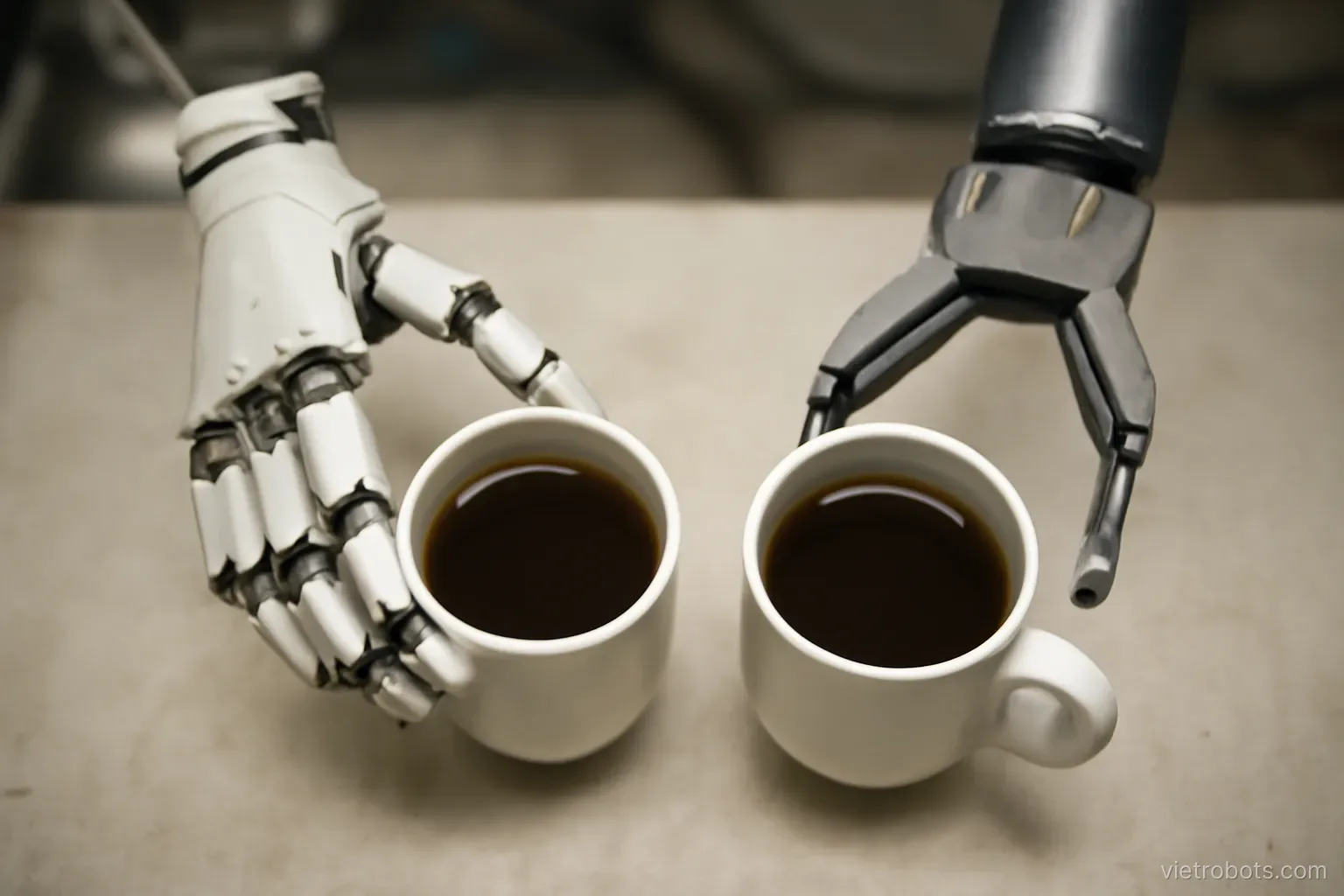
The area furthest behind and the one that determines usefulness.
Works reliably. Grasping known rigid objects from known positions. Simple pick and place. Operating a control designed for a hand — a button, a lever, a handle.
At the boundary. Grasping unfamiliar rigid objects. Using a tool. Two-handed coordination on a rigid item.
Does not work reliably. Soft and deformable materials. Fine assembly. Anything requiring the tactile feedback humans use unconsciously. Recovering when a grasp slips.
The gap in numbers. A human hand has around twenty controllable degrees of freedom with dense touch sensing across the whole surface. Robot hands have far fewer of both, and the sensing gap matters more than the actuation gap.
Why this determines usefulness. Most jobs people imagine for a humanoid — tidying, cooking, assembly, care work — depend on exactly the capabilities in the third group.
Endurance and practical operation
Rarely covered and decisive for deployment.
Battery life. Typically measured in hours of active work, less under load. Compared with a wheeled robot running most of a shift, this is a significant operational constraint.
Charging. Time to recharge, and whether the robot can dock itself. A humanoid that needs a person to plug it in has a real operational cost.
Heat. Actuators generate heat and sustained operation is limited by cooling. Peak performance figures cannot be held continuously.
Weight and handling. Moving a humanoid between locations is a genuine logistical task, unlike relocating a wheeled unit.
Falls. A fall may damage the machine, damage surroundings, or injure someone. This constrains where legged robots may operate near people, and it is the main safety consideration for the category.
Maintenance. Many joints, many actuators, many things to service. Maintenance burden scales with mechanical complexity.
Reading demonstrations accurately
The practical skill for anyone following this field.
Duration is usually cut. A thirty-second clip may represent one successful attempt among many, and the edit removes the rest.
The environment is usually prepared. Even lighting, clear floor, chosen objects, known positions.
Teleoperation may be present. Legitimate when disclosed. The relevant question is which portions are autonomous, and it should be asked directly.
Speed may be adjusted. Sped-up footage reads as more decisive than reality.
The three questions that resolve most claims. How many consecutive successful attempts. With how many different objects. In how many different environments.
And one more. Where is it running in production, and for how long. The answer for humanoids is currently a short list, and that is the most informative fact about the category's maturity.
Where humanoids are actually deployed
The honest picture, without dismissing the progress.
Events and exhibitions. The largest real category. Attention and interaction are the value, and the environment is controlled.
Reception and greeting. Usually with a wheeled base rather than legs, in prepared indoor spaces.
Research and education. Universities and laboratories, as platforms rather than as productive machines.
Pilot deployments in logistics and manufacturing. Real, watched closely, and generally at trial rather than production scale.
Not yet. Homes, general-purpose work, unsupervised operation in unstructured environments.
What this means for a buyer. Buying a humanoid for attention and interaction is a reasonable decision with a measurable return. Buying one expecting it to do general physical work is buying a research platform, and it should be understood as such.
None of this argues the direction is wrong. Progress in the last few years has been substantial and the reasons to keep watching are good. It argues only for reading claims carefully and buying against present capability.
Frequently asked questions
What is solidly demonstrated in humanoid walking?
Walking on flat and moderately uneven ground, recovering from a push, climbing stairs and getting up after a fall. Still difficult are long duration, variable loads, slippery surfaces and moving through crowds.
Why do hands lag behind legs?
A human hand has around twenty controllable degrees of freedom with dense touch sensing across the whole surface. Robot hands have far fewer of both, and the sensing gap matters more than the actuation gap.
What limits humanoid operating time?
Battery energy, because a legged robot spends power simply standing and far more walking. Heat from actuators also limits sustained operation, so peak figures cannot be held continuously.
Where are humanoids actually deployed today?
Events and exhibitions where attention is the value, reception roles usually on wheeled bases, research and education, and closely watched pilot deployments in logistics and manufacturing.
More in Myths and questions and Local ecosystem.