These are the questions people actually ask when they first encounter a service robot, gathered and answered directly. None requires any technical background to follow.
How it works
How does it know what to say? It converts your speech to text, searches the documents it was given for relevant material, and composes an answer from what it finds. If the information is not in those documents, it either says so or guesses.
Is it connected to the internet? Usually yes. The language processing typically happens on a server rather than on the robot itself, which is why many robots become much less capable when the network fails.
Does it remember me? Within one conversation, yes. Between visits, usually not, unless it was specifically built to and you identified yourself.
Who taught it about this place? Someone at this business loaded documents into it. Without that, it knows nothing about where it is standing.
How does it move without bumping into things? Distance sensors and a map of the area built beforehand. It measures distances to nearby objects rather than seeing the way people do.
Is someone controlling it? Usually not, though it varies. If it matters to you, it is a fair question to ask the staff.
Safety
Is it dangerous? Service robots in restaurants, hotels and shops are built to move slowly and stop when they detect a person. The realistic risks are a light bump or tripping over one, not serious injury.
Are children safe around it? Around service robots, yes — but supervise, because children pull, push and climb, which is unsafe for them and damaging to the machine.
Will it stop if I stand in front of it? Yes. Every mobile robot has that function. But it needs distance to stop, so do not step out immediately in front of one.
What if it blocks my way? Step aside and it usually continues. If it has stopped, tell a member of staff rather than pushing it — pushing can damage the wheels or lose its position.
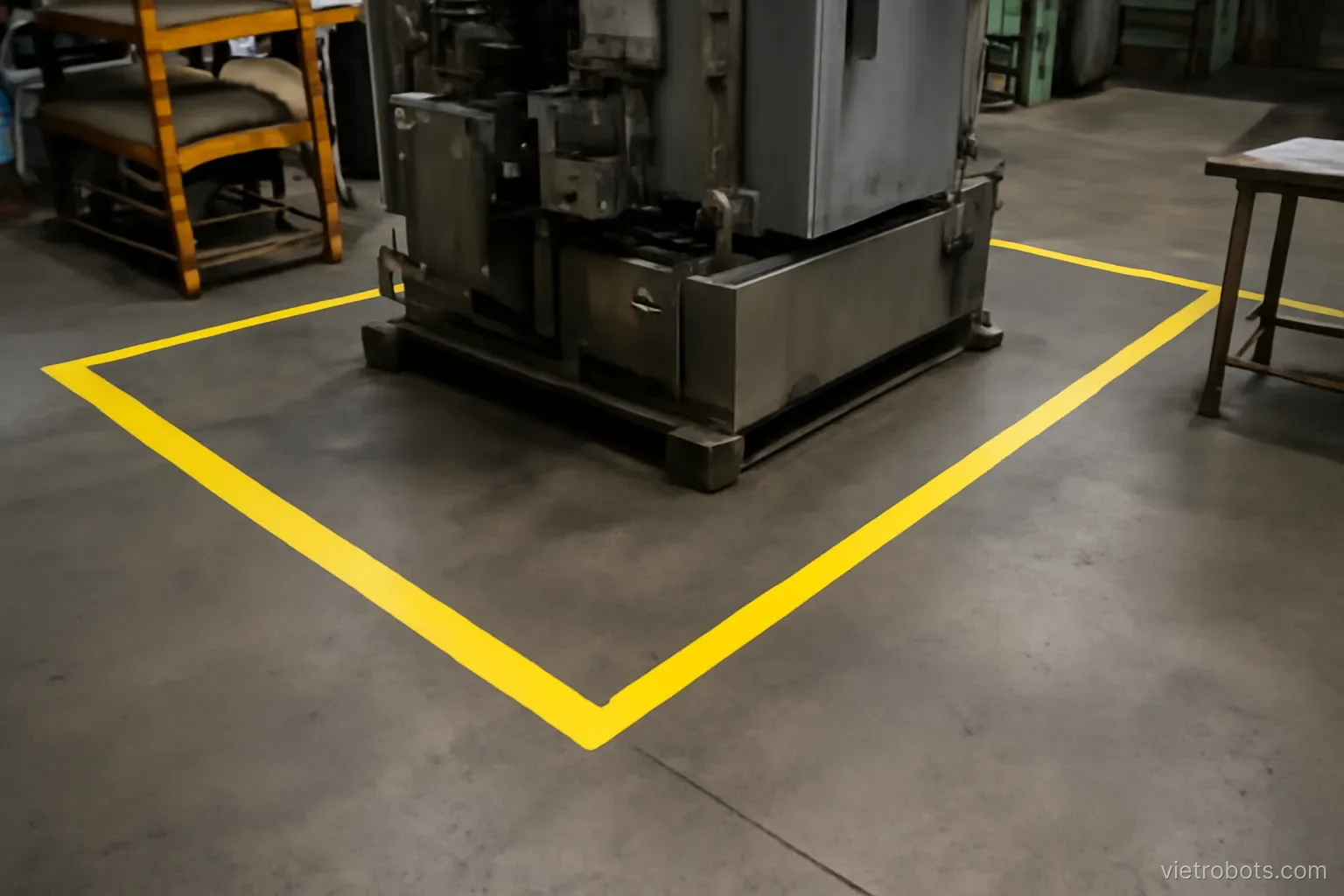
What about industrial robots? Different category entirely. Those move fast and forcefully and are always behind barriers. That is why nobody is permitted inside those areas while they run.
Privacy
The set of questions that deserves direct answers.
Is it listening all the time? It has a microphone and it listens when activated. Whether it records continuously depends on how this particular deployment is configured, and you are entitled to ask.
Is my conversation stored? Usually yes. Businesses keep logs to improve the content and to resolve complaints.
Who can see it? Whoever manages the robot at this business, and possibly the supplier. Ask if it matters to you.
Does it recognise faces? Some do; most service robots only detect that a person is present rather than identifying who. Where facial recognition is in use, the operator should say so.
What should I avoid saying? Account numbers, identity document numbers, passwords, health information. Not because the robot is malicious but because the exchange is recorded and people nearby can hear you.
Can I ask what data is collected? Yes. You are entitled to ask what is gathered and what it is used for.
Using it day to day
How should I speak to it? Short sentences, one idea each, standing close, at normal volume. Do not stretch out each word — that usually makes recognition worse rather than better.
What if it does not understand? Say it again more briefly. If that fails, use the screen — most robots offer preset options.
Should I trust what it tells me? For general information, yes. For prices, times and procedures — anything you will act on — confirm with a member of staff.
What if it gets something wrong? Tell the staff, specifically: what you asked and what it said. That is what allows them to fix it.
Does it cost anything to use? No. It is a service of the business you are visiting.
Can I take a photograph with it? Usually yes and many places encourage it. If unsure, ask.
Can I ask it anything at all? You can ask, but most are configured to handle only topics related to that business and to hand anything else to a person.
The future
The questions asked most and answerable least confidently.
When will robots be in homes? Vacuum robots already are. General household robots have no reliable timeline, because the obstacle is manipulating soft materials in cluttered spaces — the hardest problem in the field.
Will a robot do my job? Depends on the tasks in it. Repetitive work with low variation in a stable setting is most exposed. Work requiring dexterity, situational judgement or dealing with people is far harder to automate.
Should my child study robotics? If they enjoy it, yes — the reasoning skills transfer to any field. If they do not, that is fine, because those skills can be developed through many other subjects.
Will they get much cheaper? The hardware, gradually. But most of the cost of a working system is integration and operation, which is skilled labour and does not fall the same way.
Should I be worried? Better to be informed than worried. The real risks today are wrong information, biased systems and fraud using AI — not machines rebelling.
Frequently asked questions
Is a service robot listening all the time?
It has a microphone and listens when activated. Whether it records continuously depends on how the deployment is configured, and you are entitled to ask what is collected and how it is used.
What should I do if a robot blocks my way?
Step aside and it usually continues. If it has stopped, tell a member of staff rather than pushing it, since pushing can damage the wheels or cause it to lose its position.
Should I trust what a robot tells me?
For general information, yes. For prices, times and procedures — anything you will act on — confirm with a member of staff, because the robot may be repeating information that is out of date.
What should I avoid telling a robot in a public space?
Account numbers, identity document numbers, passwords and health information — not because the robot is malicious but because the exchange is recorded and people nearby can hear you.
More in Voice and language and Robots and jobs.