Whether robots are dangerous receives very different answers depending on who is asked, because it depends entirely on which robots, where, and who is nearby. Three categories with three quite different answers.
Three categories, three risk levels
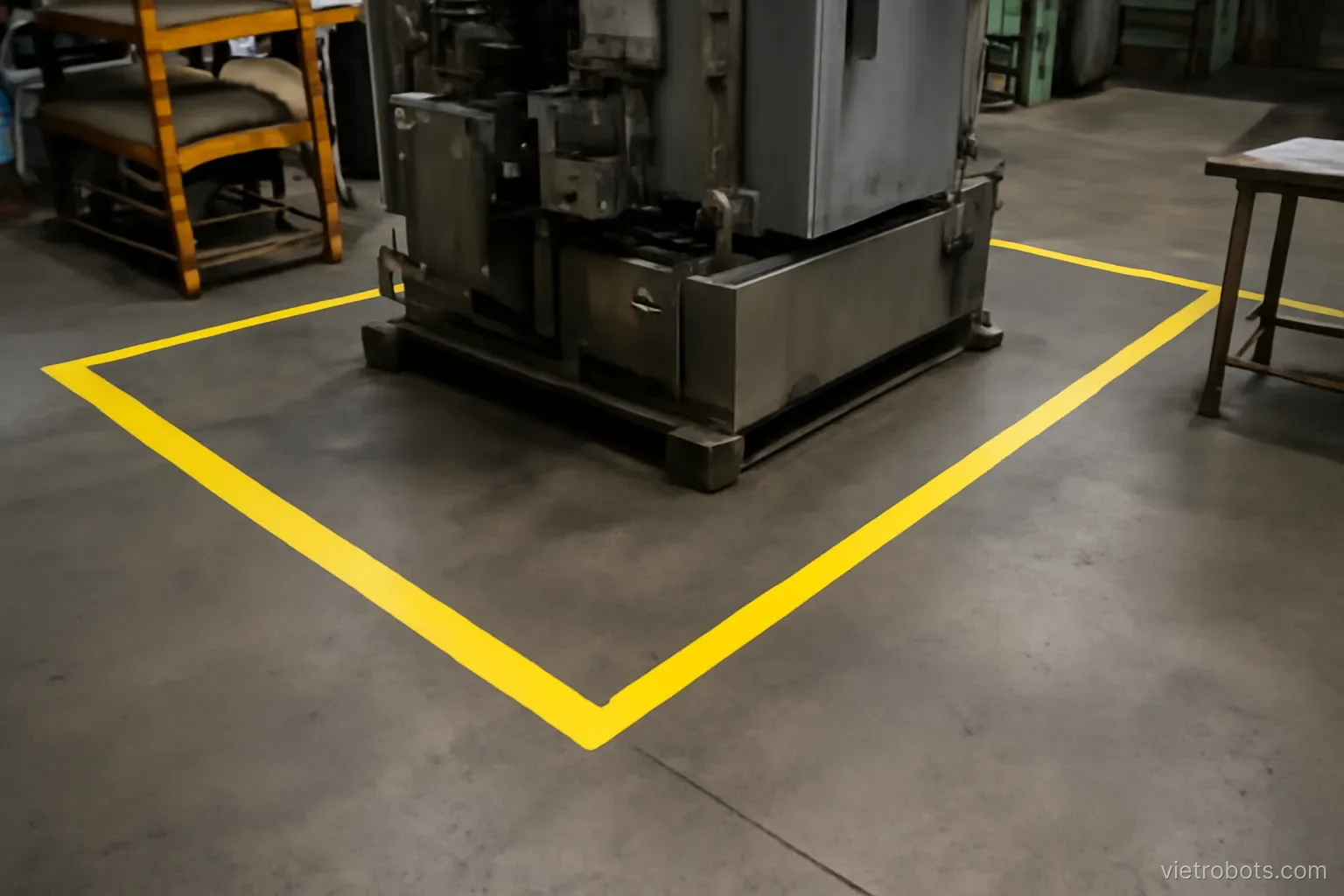
Industrial robots in factories. Genuinely dangerous. They move quickly and forcefully and do not slow for people. This is why they operate behind barriers with interlocks preventing entry while running. Serious incidents almost always involve someone inside while the machine was still capable of moving.
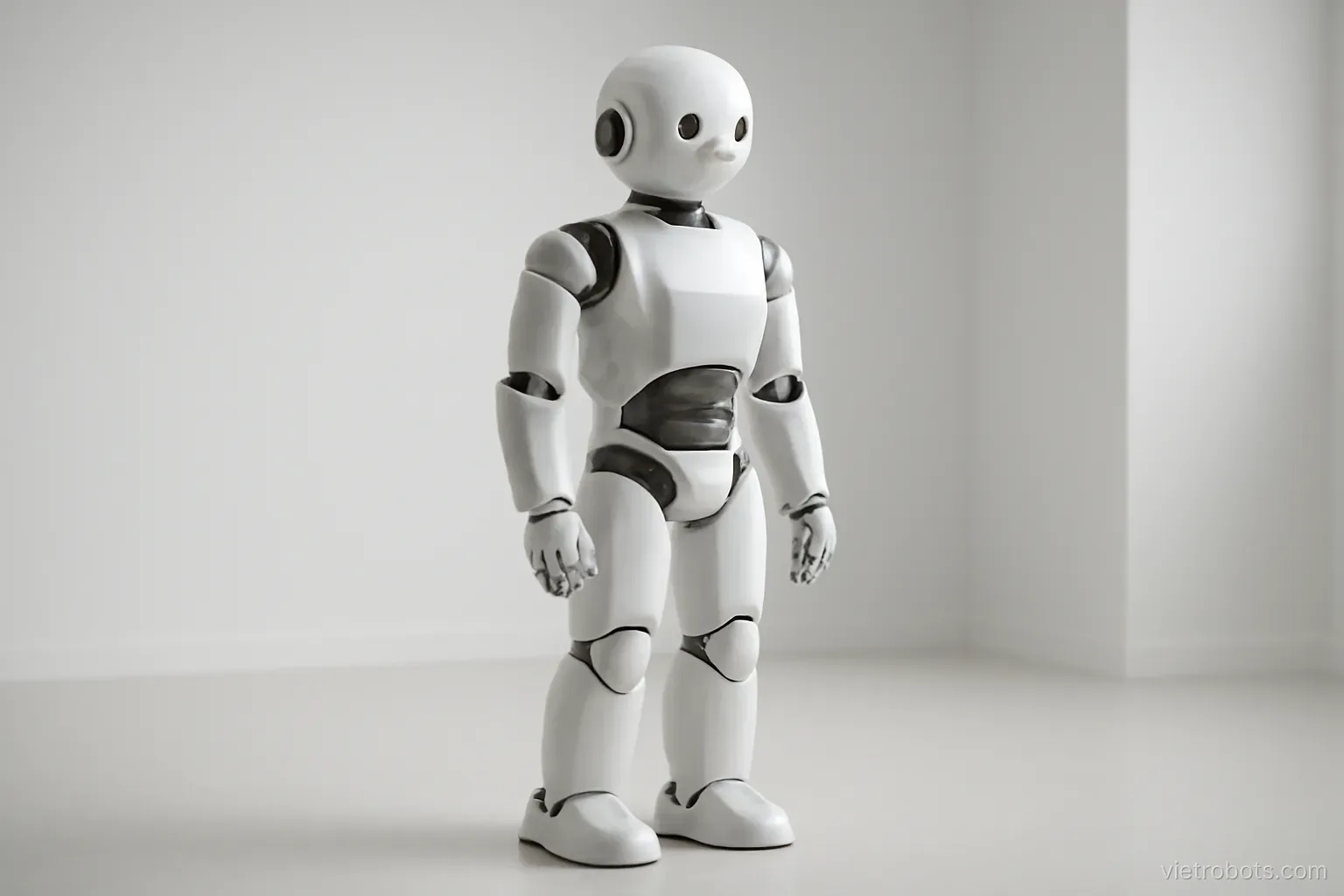
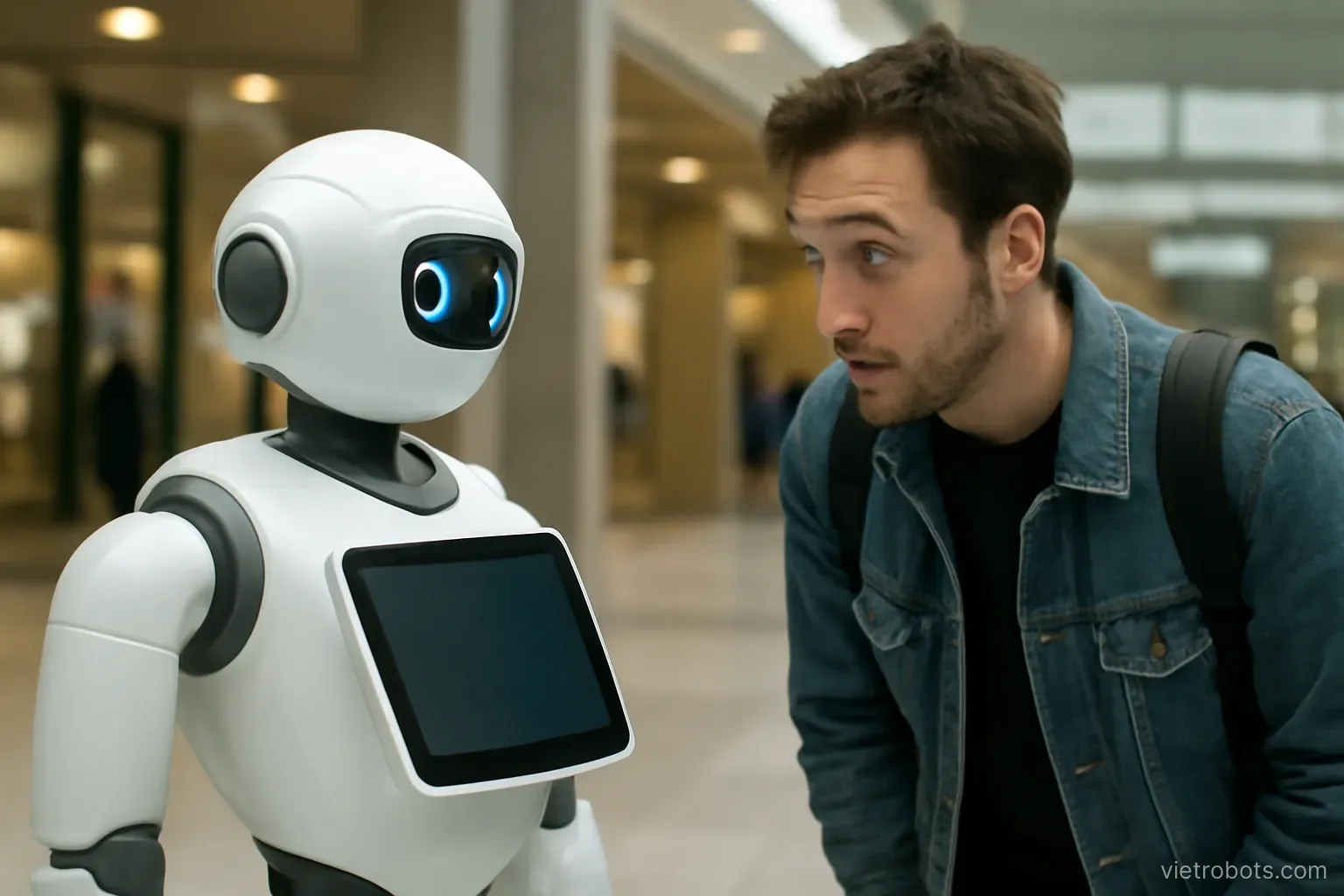
Service robots in public spaces. Low risk. Designed to move slowly, stop on detecting a person, and operate within force limits. The realistic hazards are light contact or tripping.
Domestic robots. Very low risk. A vacuum robot can create a trip hazard if left in a walkway, and can spread a spill if it drives through one. That is essentially the extent of it.
The important observation: when people ask whether robots are dangerous, they are usually picturing the first category and encountering the second or third. These differ so substantially that a single answer misleads.
The real risks with service robots
Specific, so you know what to watch for.
Tripping. The most frequent incident. Robots are low and people looking at phones do not see them. Older people and small children are most at risk.
Light collision. Where the robot cannot stop in time. Startling rather than injurious, though startling can itself cause a fall.
Pinch points. With robots that have opening trays or compartments. Children reach into them.
Dropped loads. A carrying robot stopping abruptly may spill what it holds. Relevant where hot items are involved.
Cables. A charging cable across a walkway is a genuine and entirely preventable hazard.
Obstructed sightlines. A tall robot at a corner can prevent two people seeing each other approaching.
Prevention is simple: place robots where they are visible, keep cables tidy, and supervise small children. Those three address nearly all real-world incidents.
Children and robots
The group requiring specific consideration.
Children will touch, pull, push and climb. This is instinctive and not preventable by instruction.
Risks to the child. Fingers in gaps, collision when running in front of a moving robot, falling while climbing.
Risks to the robot. Damaged sensors, being pushed over, things stuck to it.
What to do. Supervise when children are near a robot. Explain that it is working and is not a toy. Do not leave a child alone with a moving robot.
On the psychological side. Young children often assume a robot has feelings. It is worth explaining simply that it is a machine — though there is no harm in a child being courteous to it, and no need to labour the point.
For businesses. Where many children are present, an attendant near the robot is sensible, and models without accessible pinch points are the better choice.
Fictional fears and actual AI risks
Two very different things, worth separating clearly.
The fictional version. Machines becoming self-aware, forming their own goals and turning against people. Current systems have no goals of their own and no mechanism by which such goals would arise.
The actual risks today. Wrong information spreading because systems produce fluent text regardless of accuracy. Bias in training data producing unequal treatment of some groups. Personal data collected and used beyond what people expected. And AI used deliberately for fraud — synthesised voices, fabricated images and video.
These are happening now. Less dramatic than the fictional version and considerably more likely to affect an ordinary person.
Where to be cautious. Verify important information rather than acting on it. Treat an unexpected call that sounds like someone you know with suspicion and confirm through another channel. Ask why personal information is being requested.
The short version. Machines rebelling is not something to plan around. Wrong information and AI-assisted fraud are, and starting now is sensible.
Simple rules around robots in public
Practical and short.
Do not block a robot carrying something. It may be carrying something hot or unstable.
Do not step out immediately in front of one. It needs distance to stop.
Do not reach into gaps or compartments.
Do not push a stopped robot. Tell a member of staff.
Supervise small children.
Keep walkways clear. In a workplace this is both the leading cause of robot stoppages and a trip hazard for people.
With industrial robots: never enter a barriered area. No exceptions, including when the machine appears to be stopped. A robot standing still is not a robot that will remain still, and this misunderstanding is behind most serious incidents in the category.
Frequently asked questions
Are service robots in shops and restaurants dangerous?
Low risk. They move slowly, stop when they detect a person and operate within force limits. The realistic hazards are tripping over one or a light collision, not serious injury.
What causes most incidents in practice?
Tripping — robots are low and people looking at phones do not see them. Followed by charging cables across walkways, which is entirely preventable.
What are the actual risks of AI today?
Wrong information spreading because systems produce fluent text regardless of accuracy, bias in training data, personal data used beyond expectations, and deliberate fraud using synthesised voices and fabricated images.
What is the one rule around industrial robots?
Never enter a barriered area, including when the machine appears stopped. A robot standing still is not one that will remain still, and this misunderstanding is behind most serious incidents.
More in AI robots for real work and Cost and selection.