The technology that lets a robot hold a conversation is also being used to defraud people. This is the most immediate AI risk for ordinary individuals, and it is considerably more worth understanding than any speculation about machines rebelling.
The forms it takes
Cloned voices. A short recording is enough to produce a close approximation of someone's voice. The typical use is a call impersonating a relative in urgent trouble and needing money.
Fabricated video. Faces placed onto other footage. Used to impersonate public figures endorsing investments, and executives authorising transfers.
Personalised automated messages. AI writes fraudulent messages that read naturally rather than mechanically, and can incorporate details gathered about the target to increase credibility.
Conversational fraud calls. Not recordings but systems that respond, making an automated call feel like a person.
Convincing fake sites and applications. AI makes producing professional-looking fraudulent material extremely cheap.
The common thread: AI has not created new categories of fraud; it has made existing ones cheaper and more convincing. Which means the established defences still work.
Recognising a voice-cloning call
The most dangerous form because it targets family feeling.
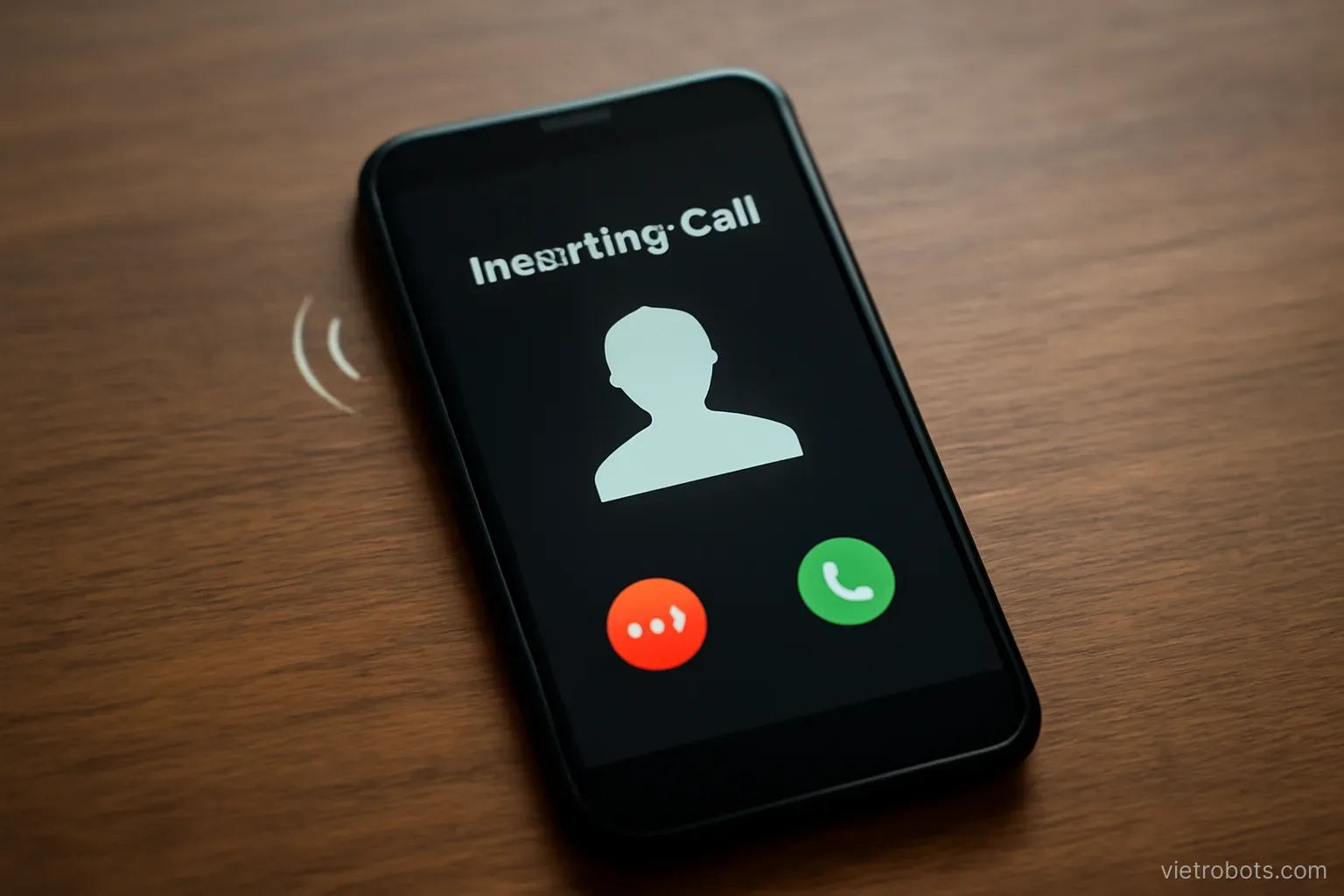
The typical script. A call from an unfamiliar number, a voice resembling a relative, an accident or emergency, an urgent need for money, and an instruction not to tell anyone else.
The signals. Urgency. Secrecy. An unfamiliar number. Refusal to switch to video. A voice that is slightly flat or lacking natural emotional variation.
The only reliable response. Hang up and call the person back on the number you already have. Do not return the call to the number that rang you.
Ask something only the two of you would know. A private detail not available online.
Agree a family code word in advance. It sounds excessive and it is highly effective and costs nothing.
Tell the older members of your family. They are targeted most and are least likely to have heard of this technique.
General principles that hold
No technical knowledge required.
Urgency is a signal. Every fraud creates time pressure, because a person who is rushed does not verify.
Secrecy is a signal. Genuine contacts rarely ask you not to tell anyone.
Verify through a different channel. The single most important rule. A call prompts a callback on a known number. A message prompts a phone call. An email prompts direct contact.
Never transfer money on the basis of a single call. However familiar the voice sounds.
Never share a verification code. No legitimate organisation asks for a code sent to your own phone.
Be careful what you publish. Voice in videos, images, family details — all are raw material.
If it happens. Contact your bank immediately and report it. Speed matters more than anything else at that point.
Protecting older relatives
The group targeted most heavily.
Why they are vulnerable. Less exposure to newer techniques. Trust in a familiar voice. Reluctance to bother their children by checking. And the fraud aims precisely at family attachment.
Have the conversation in advance. Describe the specific scenarios. Say explicitly that voices can now be imitated.
Agree a rule. Anyone calling to ask for money, whatever the voice sounds like, gets called back before anything happens.
Provide a number to check with. Written large, kept somewhere visible, for calling when anything seems unusual.
Do not criticise if they nearly fall for one. Criticism makes people conceal it next time, and concealment is the dangerous outcome.
Check in periodically. Ask whether anyone unusual has called. Many attempts are caught early through an ordinary question like this.
Distinguishing this from legitimate AI use
Important, so that caution does not become blanket refusal.
A business using AI to call customers is legitimate when it states clearly that the call is automated and does not impersonate a specific individual.
A robot in a shop or a chatbot on a website is ordinary. Neither conceals being a machine, and neither asks for money.
The distinguishing signs. Legitimate systems identify themselves as automated, do not create time pressure, do not request sensitive information, and always offer a route to a person.
Fraudulent ones do the opposite on all four. They impersonate a specific person, create urgency, request money or codes, and resist verification.
Do not let fraud concern become refusal of all technology. AI assistants, bank chatbots and shop robots are useful tools. The problem is not the technology but what particular people choose to do with it.
The summary worth remembering: any technology can be used to deceive, and the defence remains verifying through a separate channel before doing anything involving money.
Frequently asked questions
Which form of AI-assisted fraud is most dangerous?
Cloned voices used to impersonate a relative in urgent trouble. A short recording is enough to produce a close approximation, and it targets family feeling directly, which makes it highly effective.
What is the only reliable response to a suspicious call?
Hang up and call the person back on the number you already have — never return the call to the number that rang you. Agreeing a family code word in advance also works and costs nothing.
What signals appear in every fraud attempt?
Urgency and secrecy. Time pressure prevents verification, and genuine contacts rarely ask you not to tell anyone else about a request.
How do you tell legitimate AI use from fraud?
Legitimate systems identify themselves as automated, create no time pressure, do not request sensitive information and always offer a route to a person. Fraudulent ones do the opposite on all four counts.
More in Local ecosystem and Robots in Vietnamese business.